PHATurator
PHATurator combines six analogue-inspired stages sharing one signal path, designed around zero-latency nonlinear DSP, controlled gain structure and a simple interface over a much deeper processing architecture.
Explore PHATurator ↗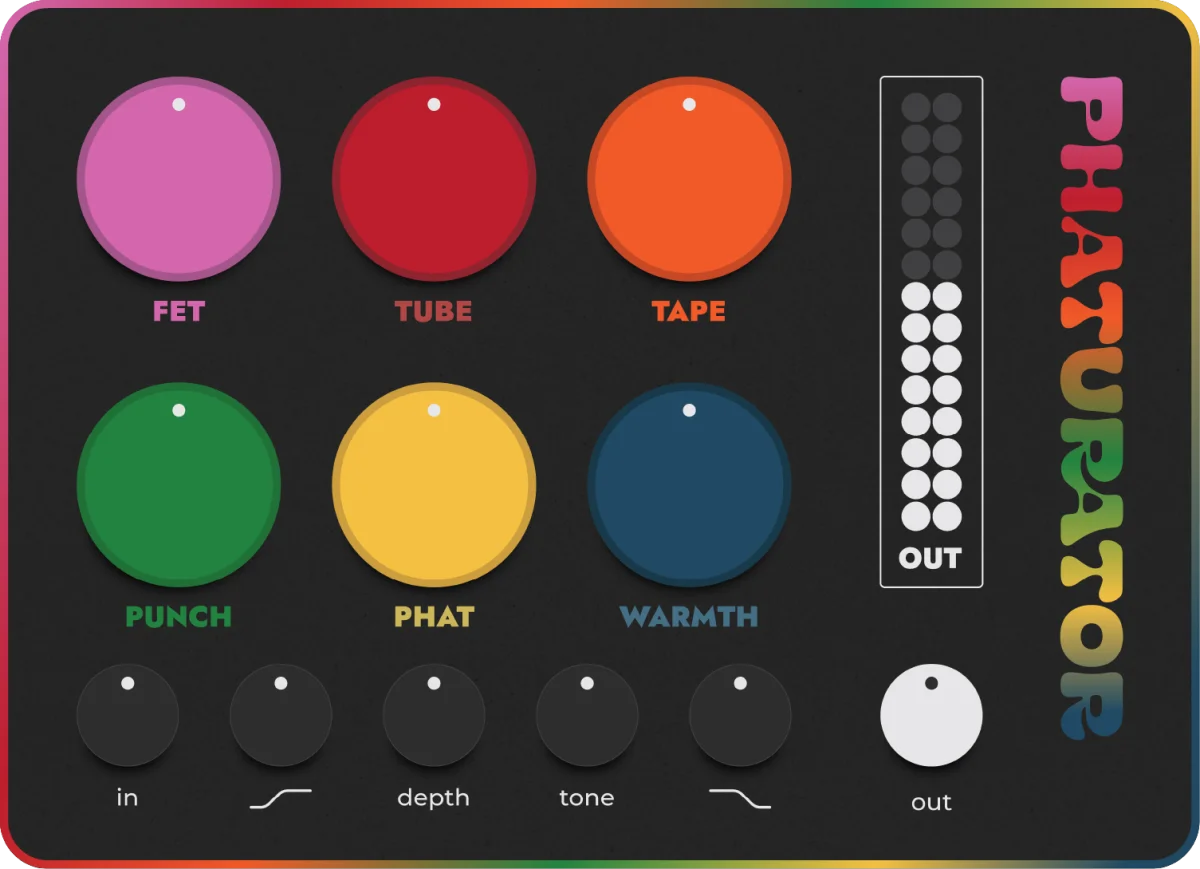
C++17 audio DSP software engineer and record producer, specialising in real-time audio.
Founder & Chief Engineer at fedDSP ↗
Owner & Record Producer at West Homesick Recording Studio ↗
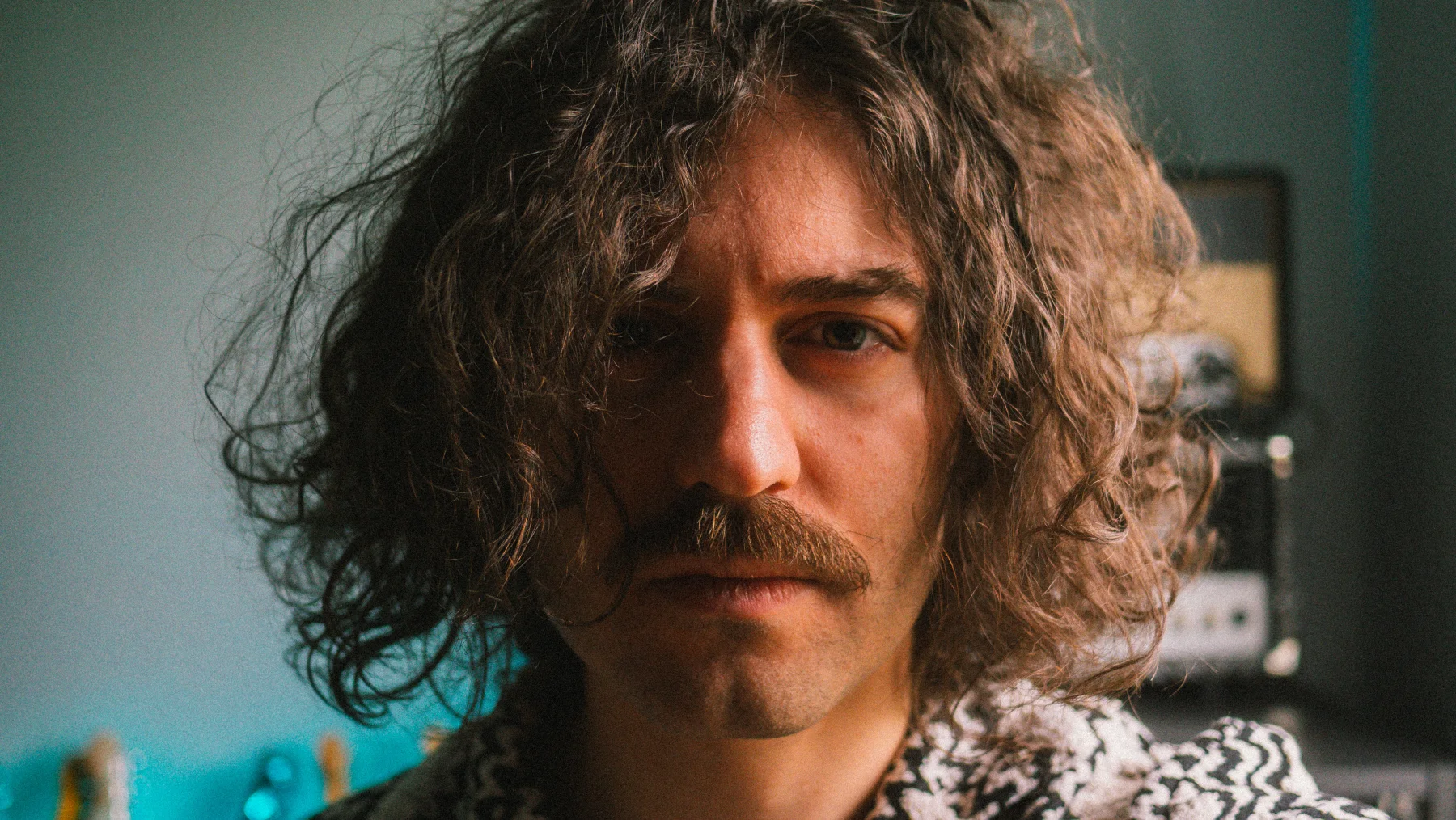
16 years in professional audio have trained me to hear what a tool needs to do, where it falls short and how it should feel in a session. I combine that listening experience with the ability to design and build the software myself.
I can follow an audio problem all the way into the DSP, the interface and the implementation. The person making the engineering decisions is also the person listening, so the original intent stays intact from the audible problem through its final form.
I own and use a wide range of analogue equipment every day. I know how it responds to level, transients and playing dynamics.
One of the most rewarding pieces of feedback is that the software sounds and feels like real hardware. I develop and evaluate it with the same ears and hands I use on the equipment itself.
I design and build commercial real-time audio software in C++17 and JUCE. From DSP and application architecture through release, testing and maintenance across macOS and Windows.
Across the fedDSP catalogue, distributed to musicians, producers and engineers worldwide.
Dynamics, saturation, guitar processing and production utilities.
Complete guitar environments built for responsive, low-latency playing.
Cross-platform audio applications for macOS and Windows.
PHATurator combines six analogue-inspired stages sharing one signal path, designed around zero-latency nonlinear DSP, controlled gain structure and a simple interface over a much deeper processing architecture.
Explore PHATurator ↗
fedZEP is a complete real-time guitar environment built from original amp models, pedals, cabinet processing and effects. The main challenge was preserving touch response and gain interaction across a large nonlinear signal chain while keeping the full system zero latency, CPU-efficient and immediate under the player’s hands.
Explore fedZEP ↗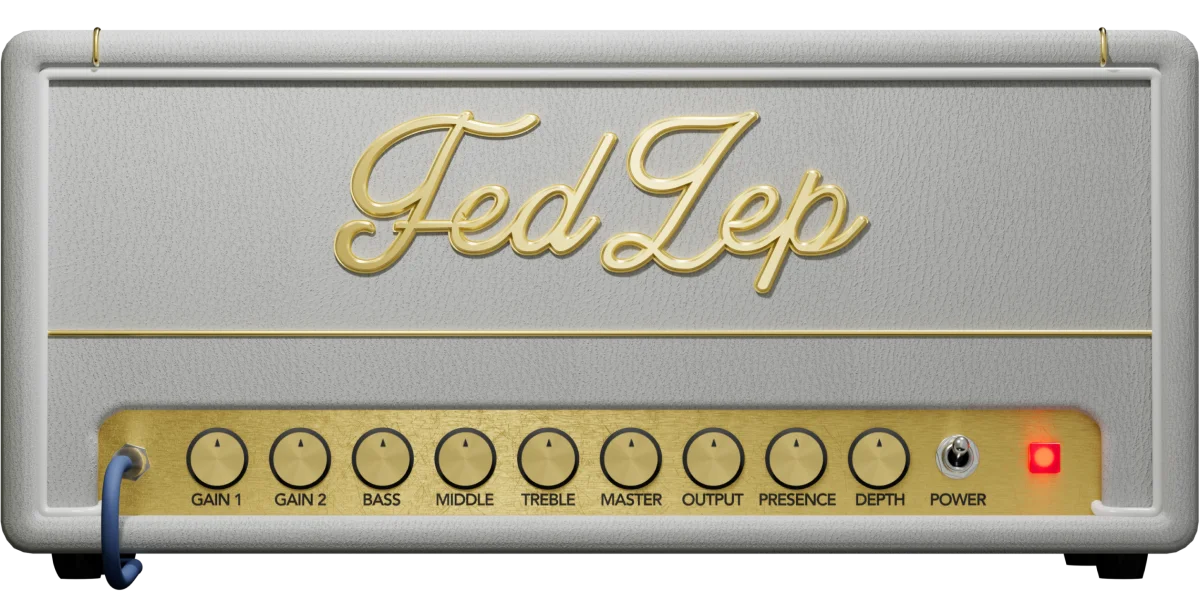
Rather than treating the four modes as simple presets, OPTO uses separate dynamics behaviours with different recovery characteristics, saturation and programme dependency. The DSP challenge was making these compressors feel meaningfully different while sharing one interface, then integrating upward compression, tone shaping and automatic release behaviour into a stable zero-latency chain.
Explore OPTO ↗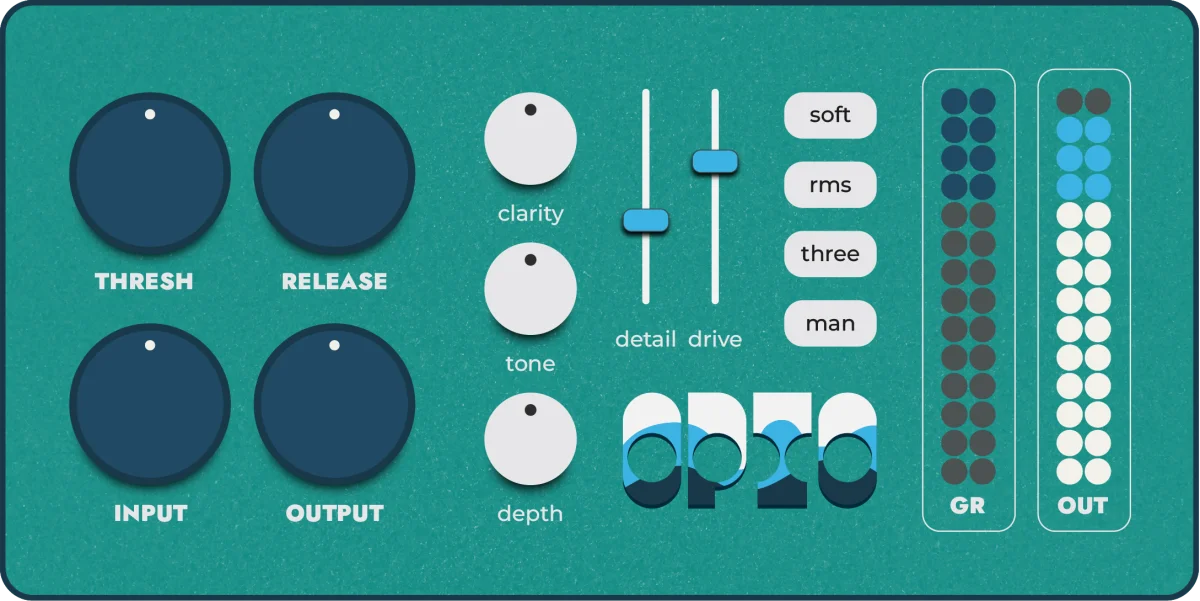
The core challenge in HUSH was separating the drum you want from the bleed you do not, especially when both can exist at similar levels. The detector combines source-specific behaviour, sidechain filtering and transient shaping, while the Debleed circuit treats post-hit spill separately from the main gate. Mixing mode adds lookahead for precision, while Live mode keeps the path zero latency.
Explore HUSH ↗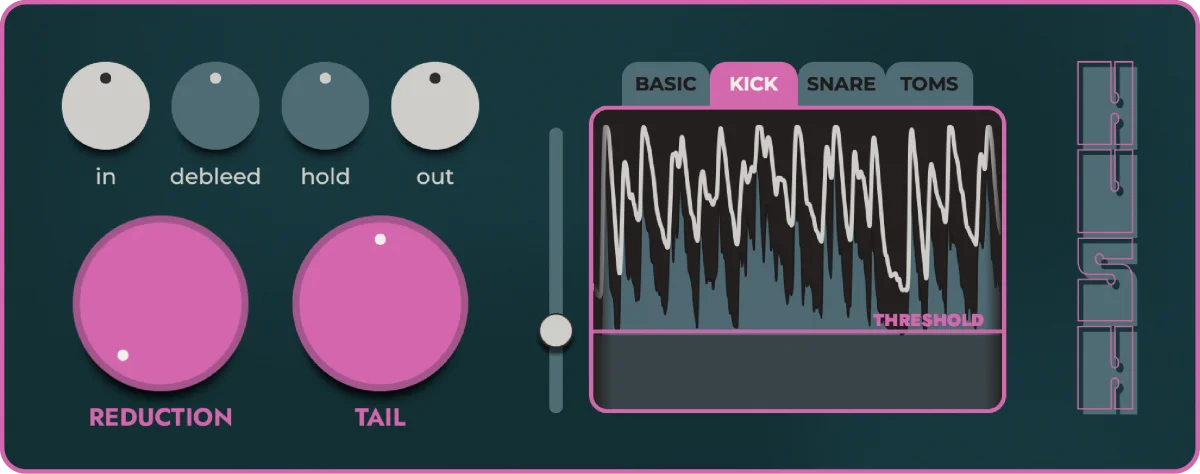
I architect and maintain the entire fedDSP core codebase, from DSP and application logic through integration, optimisation, release and ongoing development.
As the sole software developer, I have taken 13 plugins and three standalone apps from initial architecture to commercial release. That includes compatibility across macOS, Windows and a wide range of DAWs, plus standalone file processing and conversion.
Over 12,000 product downloads. Five reported technical support
cases.
Across free and paid products, as of September 2026. These
are support reports, not a measured software failure rate.
My background spans recording, production, mixing, mastering and live sound. Logic Pro and macOS have been central to that work for years, and that experience directly informs how I design audio software and workflows.
I lead the wider fedDSP team and work with professional users and beta testers throughout development. I translate subjective listening feedback into concrete technical changes, bridging the gap between engineering decisions and the language musicians and engineers actually use.
That work includes coordinating beta testing, following up on bug reports, reproducing issues and validating fixes with the people who found them. I value shared context, clear communication and fast feedback loops, as well as making sure everyone has room to contribute. My approach comes directly from years of writing music collaboratively: listen to every idea, try the ones that could work, and let the result decide.
Within four months of our first release,
Sound On Sound featured
fedDSP multiple times, covering
leONE
and
OPTO,
and fedDSP’s software has received praise from
professionals at the top of their game, including:
A licensing system I’m building for cloud and offline activation across apps, plug-ins and other software, designed around a simple integration layer and a low-friction user experience. Currently in alpha.
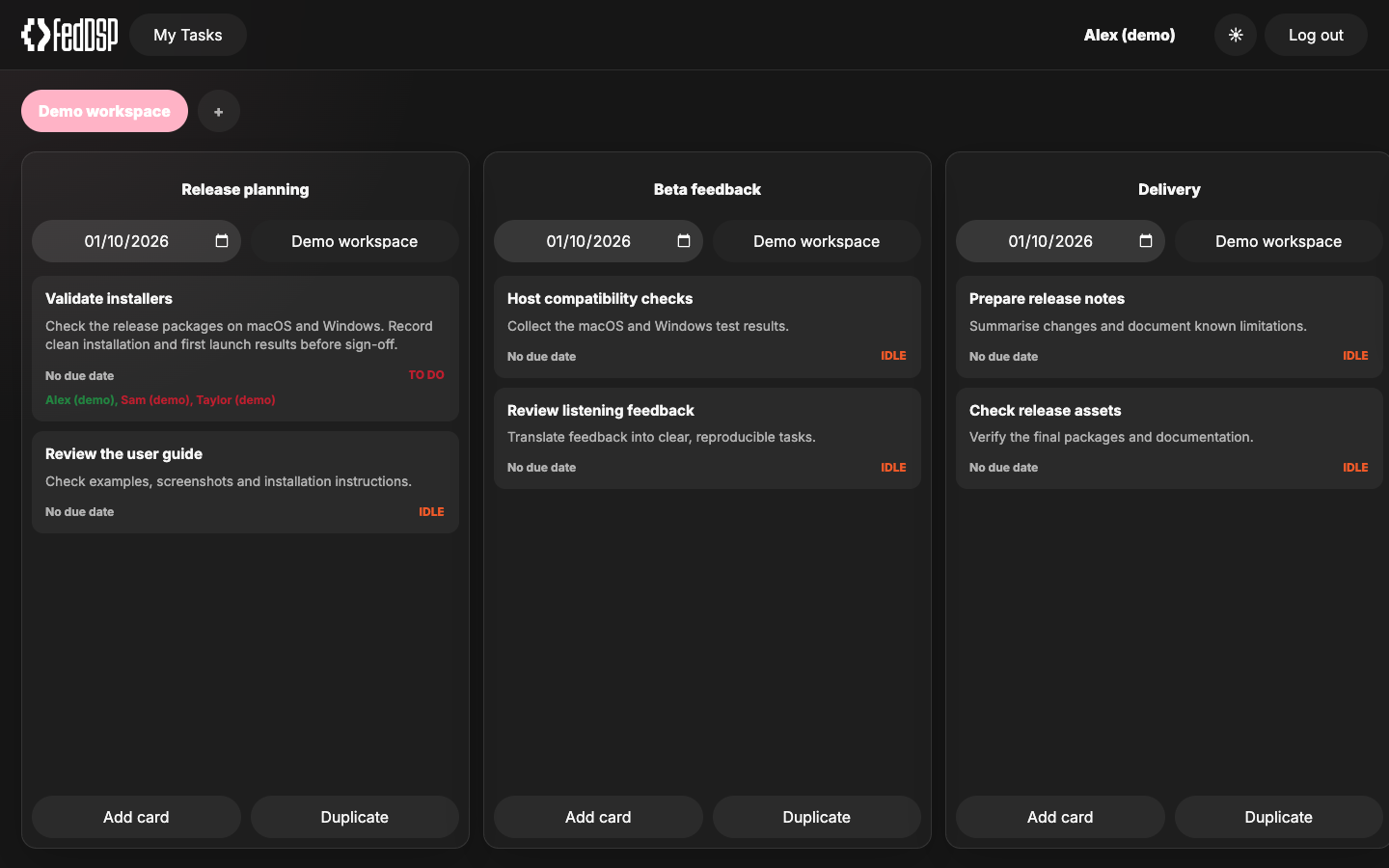
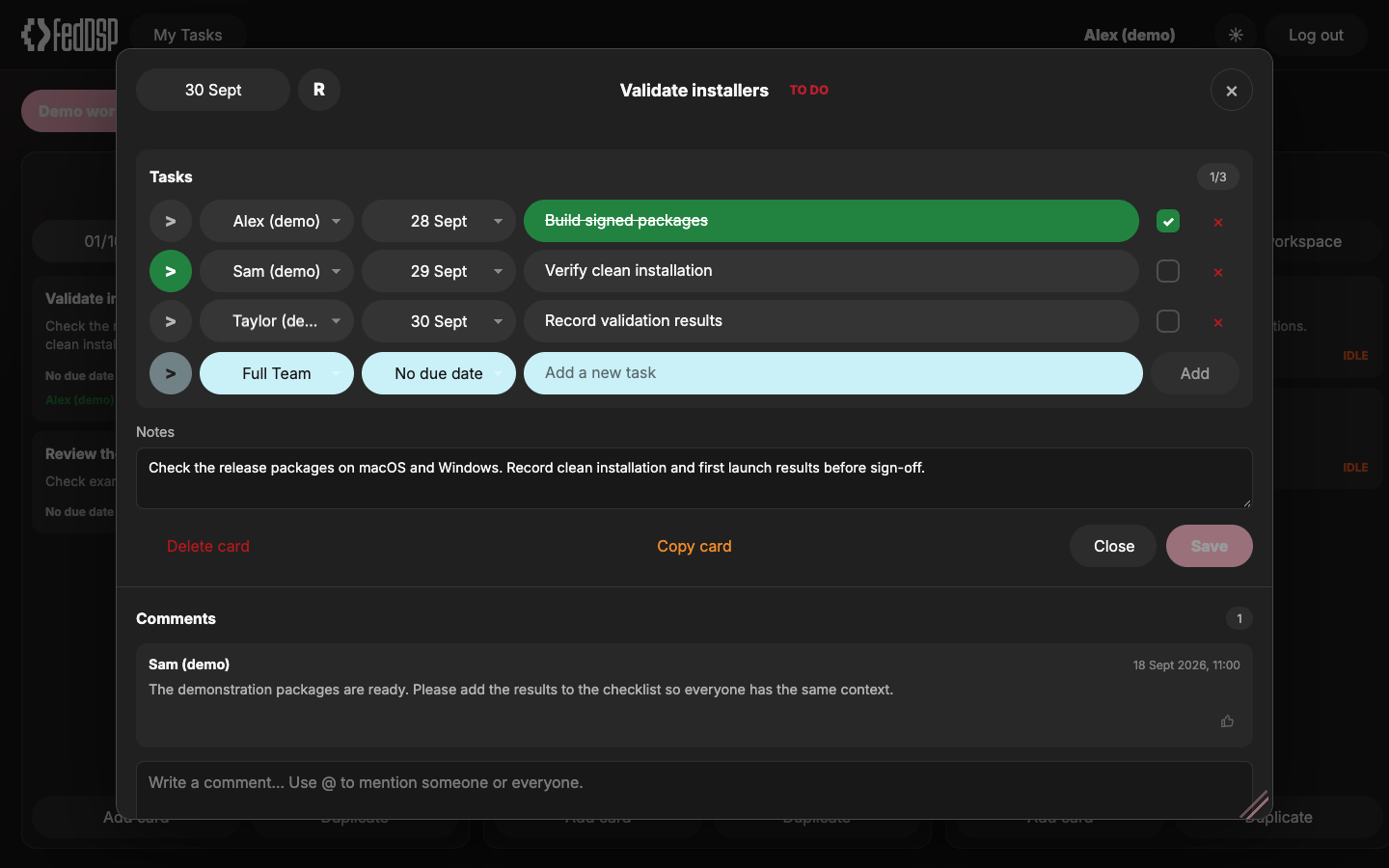
Explore SmoothLok ↗An internal workspace I built for the fedDSP team, bringing release planning, task dependencies, assignments and project discussions into one place.
Built around the way our team works: shared priorities, individual ownership and conversations attached to the work itself. Checklists, mentions, attachments and notifications keep the context together.
React and TypeScript, backed by Cloudflare Pages Functions, D1 and R2. Private team tool, not a public service.